Home Anxious Insecurity Internal Family Systems IFS Training Philosophy & Approach Media Resources Enough (The Book) Bio Schedule Free Consultation

Self-Relationship Coaching

Begin your
journey within

Reclaim your confidence and worth. Break the grip of insecurity. Create a life that honors your truth.

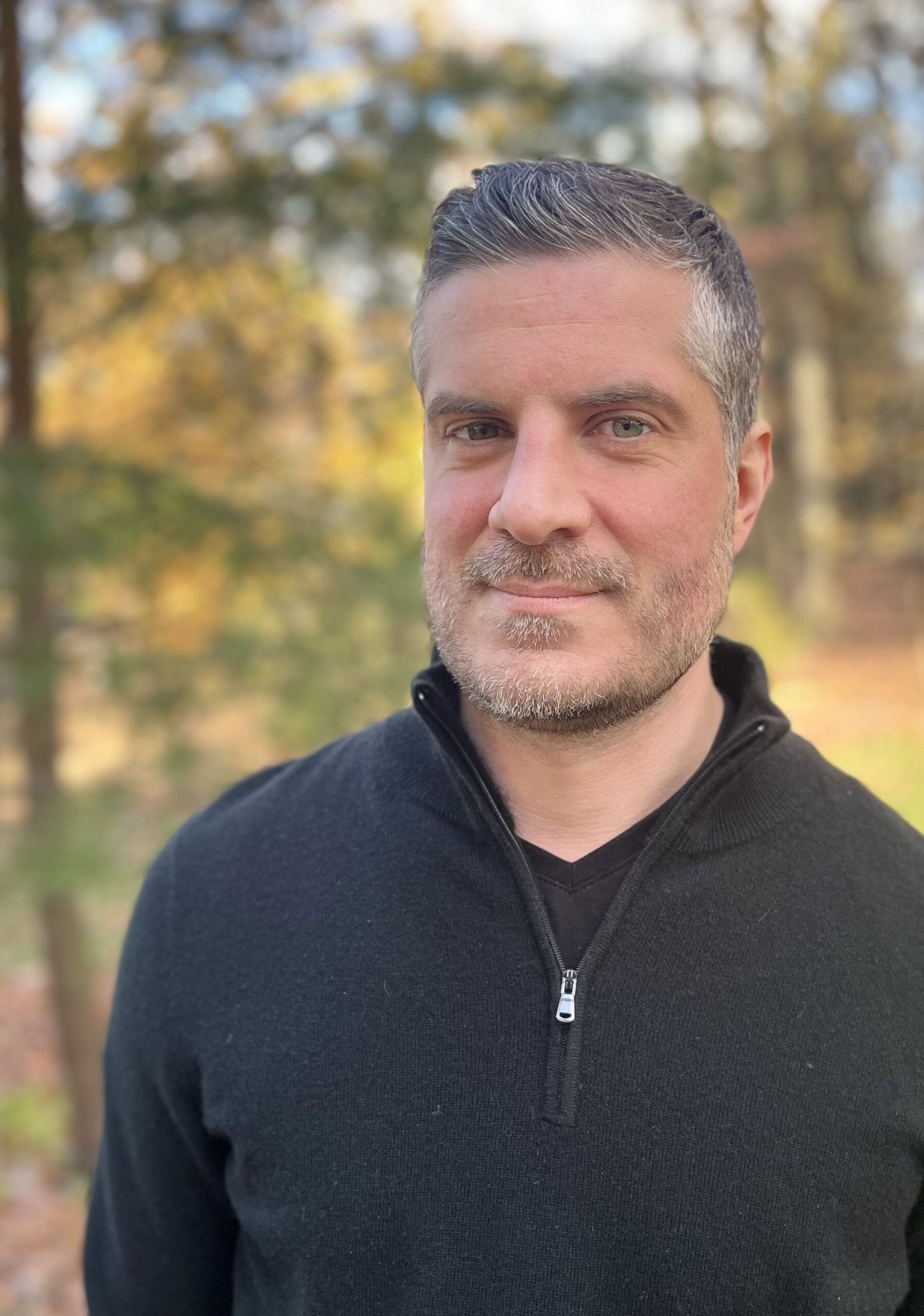
James J. Stamatelos
James J. Stamatelos

About James "J" Stamatelos

I specialize in helping individuals — especially men — replace chronic insecurity and shame with internal peace and grounded confidence. Using Internal Family Systems (IFS) and Self-Compassion, we go inside and heal the emotional wounds that have held you back. This was my fight too. I know the path, and I'm here to walk it with you.

Read My Story →

What We Work On

Become your greatest ally

The most important relationship is the one we have with ourselves. The moment we come to peace inside is the moment fear of external judgment melts away.

Heal Emotional Wounds

We want self-collaboration, not self-conflict. Using Self-Compassion and Internal Family Systems (IFS), we go inside and release the emotional wounds that have held you back.

Explore IFS →

Create Lasting Confidence

The most confident person in a room isn't one who thinks they can do anything. It's the person who feels so secure they don't need to be anyone but themselves.

My Approach →

Know Who You Are

Why are you here? What makes you come alive? Are you pursuing what you really want, or making decisions from fear? The answers are waiting within.

Your Journey →

Unleash Your Potential

We were born with a fire meant to be shared. It's not about proving our worth, but demonstrating the worth we already know is within us. The world is asking for our gifts.

The Process →

Own Social Situations

Whether it's a job interview, friends, or dating — as your self-relationship improves, you'll take on everything with security and strength instead of anxiety.

Break Free →

IFS Training for Professionals

Motivated therapists and allied practitioners: take your IFS / Parts Work skills to the next level with in-depth experiential cohort training.

Training Info →

Client Results

Results that speak for themselves

Start Your Journey

Feedback from Parents

The change runs deeper than you expect

Schedule Your Free Consultation

Contact me via the form and we'll set a time for a free 20-minute phone consultation. This lets you get to know me, share what's going on, and learn how I can help.

  1. 1

    Contact me. Fill out the form and let me know what's going on.

  2. 2

    Free 20-minute consultation. We'll schedule a phone call so you can get to know me, share what's going on, and hear how I can help — or I'll suggest a better path if this isn't the right fit.

  3. 3

    First session. If all goes well, we'll schedule your first session and go from there!

Cost & Logistics

$300 USD / 60-minute session. Reduced rates periodically available. Group sessions coming soon.

Weekly sessions for new clients. US payments via Venmo or Zelle; international via Wise. Insurance does not cover coaching.

No contract. Cancel at any time. Start with a single session.

All sessions are remote. Borders are not a problem. I haved worked with clients across the US, Canada, the UK, France, Netherlands, Sweden, India, the Philippines, and more.

Get In Touch

All fields are required. I will respond within 1–2 business days.

Understanding the Problem

Anxious Insecurity

Chronically feeling like we're "not enough" — regardless of how much we achieve.

My Specialization

What Is Anxious Insecurity?

I specialize in working with clients who struggle with what I call anxious insecurity — the feeling of not being "enough" regardless of how much they achieve. These individuals often struggle with extreme self-criticism, routine self-sabotage, and difficulty in social situations and relationships.

I work with this population because this was my battle. I've spent the last 10 years focused on understanding why this problem has exploded in Western society and how struggling individuals can overcome it.

Anxious insecurity isn't a disease or illness. It's the name for a specific feeling of lack that results in two distinct behaviors:

Behavior 1: The Pressure to Excel

Feeling insecure makes us panic. We don't want to feel this way; we'd rather make ourselves "enough." We'll run faster, jump higher, and push past exhaustion — climbing mountain after mountain, believing the next summit will bring lasting relief. But it never does. No matter what we achieve, insecurity remains.

Behavior 2: Hiding Our Truth

We can't be seen in our state of lack. Some literally hide and avoid friends, family, and social situations. Others hide in plain sight behind a social mask. Both strategies lead to isolation. Even if we earn love and respect through a mask, being embraced for our mask is not the same as being embraced for who we are.

Breaking out of anxious insecurity

A Quick Self-Assessment

Do These Resonate?

  • You feel "not enough" no matter how much you achieve — but believe the next achievement might just be the one that makes everything right.
  • You struggle with excessive self-criticism and pressure, often to the point of sabotaging progress toward your goals.
  • You view yourself as undisciplined or lazy, believing you need to be harder on yourself — even though this strategy has hurt more than helped.
  • You cycle between periods of high achievement and depressive burnout and frustration.
  • You feel constantly judged or analyzed by others.
  • You dream of achieving something great so everyone will know your worth — including yourself.
  • You latch onto every failure while ignoring your successes.
  • Your sense of worth is determined by how others treat you.
  • You struggle in romantic relationships, especially when emotional intimacy and vulnerability are involved.

If you answered "yes" to the majority of these questions, there is a good chance you are struggling with anxious insecurity.

The Path Forward

How We Break Free

At its core, anxious insecurity is driven by one thing: chronic self-rejection. Breaking free requires taking a different approach. We need to see ourselves as an ally we want to help instead of an enemy we want to defeat.

This isn't a quick and easy process — I know this from firsthand experience, as this was my fight as well. But while this journey can be hard, the benefits are worth it.

I have seen clients transform from nervous, self-doubting individuals into confident people who thrive in social situations. Individuals previously plagued with self-loathing have become models of self-compassion. Clients who repair their self-relationship are far more effective at reaching their goals — energy that was once wasted in self-conflict can now be directed toward external effort.

Ready to Begin?

Start Your Journey Today

Take the first step toward reclaiming your confidence and worth.

Schedule Your Free Consultation

Internal Family Systems

IFS: Repair Your Self-Relationship

Internal Family Systems allows us to understand and heal the emotional wounds that prevent us from being the people we were born to be.

What is IFS?

Heal Like Nothing Else

I am a Certified Level 3 Internal Family Systems (IFS) Practitioner. This is the highest level of training possible. I have taken numerous additional trainings as well (see bottom of page) and now teach IFS / parts work to other professionals. I use this modality both as a practitioner and recieve it as a client. There is no other modality I have seen be so successful with men.

While I use IFS in conjunction with other techniques, many clients contact me specifically for this work. With thousands of professionals still on waiting lists to receive IFS training, I'm proud to offer this in-demand approach.

Have you ever felt like there are different parts of you constantly at war? Maybe one part wants to be bold and share your truth, while another is terrified of vulnerability and shuts you down. Instead of continuing habits of self-conflict, IFS allows us to heal our parts so we can finally be at peace and become who we really are.

James J. Stamatelos – IFS Practitioner

The Process

How a Typical IFS Journey Unfolds

1

Identify What to Work With

Do you have a critical voice inside that says you're worthless? Do you feel deep shame or chronically insecure? Do you sabotage relationships or feel nervous in social situations? We begin by identifying what thoughts, feelings, and behaviors you want to understand.

2

Learn About Your Parts

IFS lets us connect with the various parts of ourselves involved in these thoughts and behaviors — and allows us to learn how we can help them heal. Curiosity and compassion lead our way as we explore our emotions with unprecedented intimacy.

3

Heal Your Emotional Wounds

Virtually all extreme behaviors are caused by deep emotional wounds that never properly healed. IFS allows us to process these events in new ways and release pain that has been carried inside us for months, years, or even decades. It's never too late to start.

My Background

How I Use IFS

While I use multiple modalities with clients, IFS has become my tool of choice. It has allowed even the most self-critical and insecure client to find deep peace, security, and love within. I specialize in working with clients who present intense managerial systems — such as extreme self-critics — with exiled parts that carry deep shame and insecurity. IFS provides these populations with better results than any approach I have encountered.

IFS Training Completed

  • Level 1 w/ Paul Ginter & Marina Hassanali
  • Level 2 w/ Pam Krause & Galit Arad-Trutner
  • Level 3 w/ Richard Schwartz
  • Unattached Burdens & Guides w/ Bob Falconer
  • Embracing Legacy Burdens w/ Osnat Arbel
  • Daily Parts Meditation Practice w/ Michelle Glass
  • Working with Highly Conflictual Couples w/ Mary Kruger
  • Negotiating with Challenging Protectors w/ Chris Burris
  • Somatic IFS w/ Susan McConnell
  • Trauma & Medical Syndromes w/ Lissa Rankin & Richard Schwartz
  • Working with Legacy & Cultural Burdens w/ Ann Sinko
  • Befriending Difficult Protectors w/ Mike Elkin
  • Polarizations: Resolving Inner & Outer Conflicts w/ Ann Sinko

IFS Texts That Inform My Work

  • Internal Family Systems (2nd Ed.) — R. Schwartz & M. Sweezy
  • Internal Family Systems Therapy for Shame and Guilt — M. Sweezy
  • IFS Therapy for Addictions — C. Sykes, M. Sweezy & R. Schwartz
  • IFS Skills Training Manual — F. Anderson, M. Sweezy & R. Schwartz
  • Transcending Trauma — F. Anderson
  • Somatic IFS — S. McConnell
  • No Bad Parts — R. Schwartz

Ready to explore your parts?

Start Your Journey Today

Let's see what we can discover together on this healing journey within.

Schedule Your Free Consultation

For Professionals

IFS / Parts Work Training

Take your IFS / Parts Work to the next level. In-depth educational cohorts for motivated therapists and allied practitioners.

This Is For You If…
  • You are a self-motivated therapist or allied practitioner who wants to utilize IFS/Parts Work in your client sessions.
  • You have already done some level of exploration around IFS — terms like "manager," "firefighter," or "exile" are not totally new.
  • You want an in-depth exploration, not a superficial introduction. This is a deep dive into critical IFS skills for real-world use.
  • You are actively working with clients and can practice between sessions.
  • You are willing to participate both as facilitator and client during experiential learning under supervision.
This Is Not For You If…
  • You only want a basic introduction to parts work. (There are many excellent YouTube videos for that.)
  • You have had zero exposure to IFS or parts work and have not started to act on your curiosity.
  • You want to learn without participating. This is a didactic and experiential class — you'll be doing IFS, not just studying it.
  • You are not currently working with clients. The format assumes you'll integrate learning into your practice between sessions.

What You'll Experience

A Complete Learning Environment

Online Didactic Teaching

Everyone gains free access to my online course IFS / Parts Work for Professionals. Moving didactic learning online frees class time for real-life experiential work.

In-Class Experiential Learning

Live IFS sessions with fellow participants while I supervise and offer input. All experiential sessions are followed by group debriefs so everyone processes and learns together.

Case Consultation Opportunities

Bring case consultations to the group for collective input. Turn theory into action by taking your learning directly into your work between sessions.

Explore Your Own Parts

Learn to identify and work with your own parts — especially those that come up while in session with clients — so you can remain grounded and secure.

Schedule & Cost

Six sessions × 1 hr 45 min on Fridays from 12:00 – 1:45pm Eastern via Zoom.

Dates: March 13 & 27 · April 3 & 17 · May 1 & 15

This is a closed group. Individuals cannot join after the start date.

$750 USD

How to Register

1. Contact me via the form below.

2. We'll schedule a quick 20-minute call to meet, answer any questions, and discuss what you're hoping to get from the course.

3. Assuming everything is a good fit, I'll send payment info to officially register. If it's not the right fit, I'll point you in a better direction.

IFS Course

Online Course — $199 value, FREE for Training Members

IFS / Parts Work for Professionals

Self-paced online class · 4.9 ⭐ · Access the course info page with password "partswork"

View Course →

Interested in Training?

Fill out the form below and I'll be in touch to schedule our intro call.

Let's Get In Touch

For professional training inquiries.

My IFS Background

Who You'll Be Learning From

I am a Certified Level 3 Practitioner — the highest degree of official training available. My lead trainers (in order) were Paul Ginter, Pam Krause, and Dick Schwartz. I've done significant additional training especially around shame, working with difficult protectors, legacy & ancestral work, somatic work, and spiritual burdens.

My caseload has historically focused on working with men (20s–60s) who feel chronically "not enough" regardless of external success, those who struggle with high shame and self-criticism, individuals with recent immigration history, and those with legacy/ancestral/intergenerational wounding. I also specialize in working with Unattached Burdens aka "critters."

I am the only IFS practitioner I am aware of who focuses solely on working with men around shame & relational trauma. I have been an IFS client for the same amount of time as I've been a practitioner and can speak to both its efficacy and limitations from personal and professional standpoints.

"But what about the healing steps?"

While the healing steps (aka "unburdenings") are a vital part of IFS, they go beyond the scope of this cohort. Our aim is to help individuals master fundamental skills, which must be solid before attempting healing work. I hope to provide group training on unburdenings in the future. However, individuals are welcome to contact me regarding private training in this area.

How We Work

My Philosophy & Approach

Lasting progress comes when we see ourselves as an ally we want to help instead of an enemy we want to defeat.

The wrong approach

The Way We Approach Change is Entirely Wrong

Most self-improvement focuses on brute-force transformation: we're given an ideal and pursue it with all our might. This generates massive self-conflict with minimal long-term change. Even if we succeed for a while, we often find ourselves back where we started.

Self as ally

See Yourself as an Ally, Not an Enemy

Fighting ourselves wastes energy that should be spent on forward progress. Self-collaboration yields better fruit than self-conflict. Our job isn't to figure out who we "should" be. We already are someone. Our job is to figure out who this person is and what lets them thrive.

Living in alignment

Improve the Relationship You Have with Yourself

Living in self-alignment lets us channel all our energy toward honoring who we really are and creating a life that respects our truth. We weren't born to live someone else's life. We were born to be ourselves.

Techniques & Approaches

The Tools We Use

Self-Compassion

An evidence-based intervention that transforms our self-relationship from within. Research shows the opposite of what many fear: treating ourselves as an ally — not an enemy — produces excellent results. It's amazing what we can achieve when we stop wasting energy fighting ourselves.

Internal Family Systems (IFS)

An evidence-based framework that heals emotional pain by building a positive self-relationship within. IFS excels for those who experience high degrees of shame, self-conflict, self-doubt, and fear of external judgment. With over 4,000 professionals on waiting lists for IFS training, I'm fortunate to offer this approach.

Mindfulness Meditation

Meditation allows us to transform our relationship with our minds. Nearly every client I work with adopts a meditative practice during our time together. Learning how to be still creates the mental and emotional space we need to create change. We want to respond to life, not react to it.

Emotional Skills Training

Built off my Inner Strength Training curriculum, this focuses on: connecting with and naming our emotions; feeling and processing any emotion without being taken over; cultivating security from within; and effectively communicating our feelings to others so we can be respected and loved.

A Framework for Growth

The Self-Honor Process

This framework describes the journey clients routinely move through. My job is to monitor their progress and help them navigate setbacks along the way.

1

Self-Acceptance

We come to peace with ourselves in a holistic and complete sense. Self-compassion and IFS excel here.

2

Self-Discovery

Clients embark on journeys of self-exploration — investigating themselves and trying new things.

3

Self-Honor

Clients take steps to create an external life that reflects who they are within.

Frequently Asked Questions

Common Questions

Every person is different. While positive results often show up within the first few weeks, most work with me anywhere from 3 months to 2 years. Some need less time, others require more. I realize coaching is an investment and do everything in my power to help clients achieve their goals as quickly as possible.

Most clients experience lasting change. It's rare for clients to need coaching again once they've reached a critical mass of internal transformation. This matches my goal: I want clients to experience lifelong independence based on a strong sense of security from within.

I know we have succeeded when a client would rather be rejected for who they are than loved for who they're not.

My work is not suitable for people who are actively suicidal or battling active drug or alcohol addiction. If you are struggling to get through your day and need help becoming a functional person, counseling is required. Coaching works best for people who can function in everyday life but struggle with persistent insecurity and/or fear.

Yes! I frequently work with clients who are also in therapy. Many have benefited from these complementary approaches. Please contact me to learn how we can set this up in partnership with your therapist.

IFS practitioners (such as myself) and IFS therapists receive the exact same training from the IFS Institute. If you're solely interested in IFS, there is no significant difference.

Yes. There are no limitations based on territory. I have worked with clients from across the United States, Canada, the United Kingdom, France, Netherlands, India, and the Philippines. As long as you speak English and we can find a common time to meet, we can work together.

I received my coaching certification from Duquesne University in 2013 and have been helping individuals break out of fear ever since. I specialize in working with men, young men and women who struggle with high self-criticism and social insecurity, and college students who are stressed and nervous about the future.

Ready to Start?

Start Your Journey Today

Let's work together to build lasting confidence from within.

Schedule Your Free Consultation

Listen & Read

Media Interviews & Articles

Conversations about anxious insecurity, IFS, self-relationship, and the inner journey toward confidence and belonging.

Podcast Interviews

On the Air

Inspired by Impact
Inspired by Impact (Canada) — Coming Soon

What It Means to be a Brother and the Power of Male Emotional Support

Authenticity Road
Authenticity Road Podcast (USA)

Exploring Religion & Sex (Part 2 of 2)

Can we have a healthy relationship with ourselves if we're taught certain parts of us are "dirty" and "wrong?"

Authenticity Road
Authenticity Road Podcast (USA)

Religion & Authenticity (Part 1 of 2)

Does having a religious upbringing prevent us from being ourselves?

Inspired by Impact
Inspired by Impact (Canada)

Who Is to Blame For Men's Suffering? (Panel Episode)

A panel debate on current male struggles and what is going on and why.

From Survivor to Thriver
From Survivor to Thriver (USA)

Becoming the Conductor of Your Life

Using musical backgrounds to discuss self-relationship based on harmony instead of discordance.

Inspired by Impact
Inspired by Impact (Canada)

How to Stop People-Pleasing, Love Your Inner Critic & Embrace Negative Emotions

The Light Inside
The Light Inside Podcast (USA)

Counter-terrorism, Self-Hatred, and IFS

Special focus on the issues facing men today with IFS-informed coach Karin Calde.

Authenticity Road
Authenticity Road Podcast (USA)

A Deep Dive Into Anxious Insecurity

Why this problem has exploded, especially for those born after 1980. A deep review of modern society.

Life With Francy
Life With Francy Podcast (USA)

Self-Relationship Coach & IFS Practitioner

What it means to have a healthy self-relationship and how to address common struggles of today.

The Light Inside
The Light Inside Podcast (USA)

Vice, Virtue, and the Ways We Signal Superiority

The relationship between feeling insecure and putting on an overly superior face.

People on Dating
People On Dating (USA)

Why Are So Many Men Struggling & What Can We Do?

Challenges facing men today — especially in dating and connecting with others.

Day In Day Out
Day In Day Out Podcast (UK)

From Counter-Terrorism to Coaching People to Control Their Fears

I've Been There
I've Been There Podcast (USA)

How to Stop Being So Hard on Yourself

How people in their 20s can shift from self-criticism to self-compassion.

Bro Nouveau
Bro Nouveau Podcast (USA / Philippines)

Heal Your Relationship with Yourself

On anxious insecurity, coaching vs counseling, and the importance of emotional relationships.

Authenticity Road
Authenticity Road Podcast (USA)

Terrorism, Violence, and Difficult Emotions

Authenticity Road
Authenticity Road Podcast (USA)

Internal Family Systems (IFS) — with Session Excerpt

Behind the Maskulinity
Behind the Mask-ulinity (USA)

Why You Feel You're Not Enough

Modern male friendships, father-son relationships, shared struggles.

Liminal Podcast
The Liminal Podcast (UK)

Vulnerability, Introspection and Being Enough

Is That Soh
Is That Soh (Canada)

The Dangerous Downside to Perfectionism

The rising rate of perfectionism in today's world and what can be done about it.

Strength Thru Vulnerability
Strength Thru Vulnerability (USA)

Finding Your True Inner Self

Dating Millennial
Dating Millennial (USA)

Never Being "Enough"

Slow Down Man
Slow Down, Man (Canada)

How to Finally Feel Like You Are Enough

Manly Matters
Manly Matters (USA)

What Is Enough?

10 Million Journey
10 Million Journey (Worldwide)

Learning What Is Enough

Being "enough" in the context of business and entrepreneurship.

Written Work

Articles by James J. Stamatelos

The Person Behind the Work

About James "J" Stamatelos

About Me

James "J" Stamatelos graduated from the Duquesne University coaching program in May of 2013. Since that time, he has helped countless individuals — especially men — replace chronic insecurity and shame with a sense of internal peace and grounded confidence. J specializes in helping people break out of what he calls "anxious insecurity," the chronic feeling of not being "enough" regardless of how much we achieve. This was his battle as well. Plagued by intense self-loathing, this issue nearly cost him his life.

He had a unique journey to this work. Before coaching, J worked in emergency response and counter-terrorism. Struck by the events of 9/11 — which took place when he was 15 years old — J was convinced that stopping radicalization and violence was the best way to help his community. After getting multiple degrees in the field, he went on to work for the City of Pittsburgh Office of Emergency Management & Homeland Security and Region 13 Counter-Terrorism Fusion Center.

As an emergency management specialist, he routinely deployed with Pittsburgh SWAT to barricaded suspects and hostage situations, responded to major natural disasters, trained citizen responders, and authored the operationalization of Pittsburgh's evacuation plan. As a Fusion Center intelligence analyst, he conducted full-cycle OSINT intelligence assessments, conducted Critical Infrastructure & Key Resource (CIKR) site assessments alongside federal agencies, and assessed the local impact of global threats.

Thanks to a mix of chronic stress and endless self-loathing, J hit his own rock bottom in December of 2010. Luckily, he was fortunate to be surrounded by great people who taught him how to repair his relationship with himself. This event — and the way others engaged with him — changed his life.

As he began to heal and reconnect with others, James realized that virtually everyone around him was going through some version of the same problem. The same elements were there — constant self-criticism, a deep sense of worthlessness, hiding our truth from others in shame. These internal problems were causing far greater issues than any external terrorist threat. If he really wanted to help, he needed to learn why this was happening — and how we could really fix it.

Determined to help grow the good instead of just fight the bad, James received his professional coaching certification from Duquesne University and has been working in the field ever since. He recently completed a book manuscript, tentatively titled Enough, that explores why so many Americans battle chronic insecurity and what interventions actually work in resolving it.

J hiking above Ala-Köl, Kyrgyzstan

Personal Details

Travel is J's favorite activity. He has backpacked through 19 countries across North & South America, Europe, Northern Africa, and Central Asia. He loves foreign languages, ethnic food, music, and memorable conversations with strangers. He enjoys Brazilian Jiu-Jitsu, soccer, and rugby. He is a lifelong musician with the violin as his primary instrument.

Ready to Begin?

Start Your Journey Today

Reach out to schedule your free 20-minute consultation.

Schedule Your Free Consultation

Curated Reading

Recommended Books & Resources

Materials I've read and recommended over the years — organized by topic.

The following is a list of books and materials I have read and recommended over the years. This is not an exhaustive list — each client has their own unique needs which require customized resources. However, the following items routinely come up for certain topics.

My Current Top Five

Books I'm most likely to recommend for anyone regardless of background. Truly "mandatory" reads: No Bad Parts and Self-Compassion. Everything else at one's discretion.

  1. 1No Bad Parts — Richard Schwartz
  2. 2Self-Compassion — Kristin Neff
  3. 3Together — Vivek H. Murthy, MD
  4. 4Tribe — Sebastian Junger, or Lost Connections — Johann Hari
  5. 5The Body Keeps the Score — Bessel van der Kolk

Internal Family Systems

IFS is my modality of choice and has extreme power. However, it's not a self-help modality — it's too hard to be fully present with our deepest pain while also staying detached enough to work with it. These texts can help clients understand what is possible.

No Bad Parts — Richard Schwartz
If you're looking to do IFS as a client and want to learn more, this is the only book you really need. Covers what IFS is capable of, including exercises, meditations, and recordings of Dick working with clients.
Internal Family Systems (2nd Ed.) — Richard Schwartz & Martha Sweezy
THE book for professionals who want to use IFS with clients. One of the best textbooks I've ever encountered.
The Self-Therapy Series — Jay Earley
Great for new clients who like visual aids. Take the self-help angle with a grain of salt — real healing requires working with another. Still, an excellent text with good exercises.

Self-Compassion

Self-compassion is the "glue" that sticks things together between IFS sessions. Unlike IFS, there is a lot people can do on their own here — understanding it is very helpful, especially for those with strong self-criticism.

Self-Compassion — Kristin Neff
My favorite book on self-compassion by far. Dr. Neff explains it through personal experience, rigorous academic research, and its impact on the college students she instructs.
The Compassionate Mind — Paul Gilbert
A deep read on self-compassion theory. Dr. Gilbert is the creator of Compassion Focused Therapy and has done pioneering work on Social Rank Theory.
Radical Self-Acceptance — Tara Brach
Relatable personal stories and anecdotes focused on self-acceptance and replacing self-hatred with focused self-compassion. A softer introduction to the topic.
When Things Fall Apart — Pema Chödrön
Written by a Buddhist nun, filled with bite-sized reflections on what it means to face our deepest emotional pains from a place of grounded peace.

Trauma

The trauma model focuses on unresolved emotional wounds that continue to impact our present everyday lives.

The Body Keeps the Score — Bessel van der Kolk
THE book on trauma. A Harvard-educated psychiatrist argues that real healing requires an emotional solution, not a medical or mental one.
The Wisdom of Trauma — Gabor Maté (documentary)
Focuses on the role of emotional trauma in drug addiction and health problems. Highly recommended viewing.

Meditation

Best Place to Start: Practice Firsthand
Insight Timer, Headspace, and Calm apps all offer free introductions to mindfulness meditation. Meditation is best experienced, not explained.
How to Meditate — Pema Chödrön
Good introductory book covering many basics. Jump to Chapter 4 "The Practice of Letting Go" for practical guidance.
Full Catastrophe Living — Jon Kabat-Zinn
Written by the researcher who developed MBSR — the world's most studied mindfulness meditation program. Focuses on how mindfulness reduces stress in extreme situations.

Parent / Child

Running on Empty — Janice Webb
Dr. Webb discusses Childhood Emotional Neglect, the chronic experience of feeling isolated with unmet emotional needs — and how it impacts adult life.
Adult Children of Emotionally-Immature Parents — Lindsay C. Gibson
Explores what it's like being an adult child of parents preoccupied with their own emotions and wounds.
Hunt, Gather, Parent — Michaeleen Doucleff
A science reporter travels with her daughter around the world to learn from indigenous tribes how children are raised — offering attractive alternatives to stressful American parenting.
Raising Children — David F. Lancy
The anthropologist behind "The Anthropology of Childhood" makes the case that the American method is by far the most anxious and taxing in the world, for both children and parents.

Human Nature

Together — Vivek H. Murthy, MD
As the 19th Surgeon General of the United States, Murthy reflects on America's greatest problem: deep, emotional loneliness.
Tribe — Sebastian Junger
An excellent book on the importance of being part of a team and having strong social bonds. Especially great for veterans.
Selfie — William Storr
How Westerners have become so self-obsessed — from Ancient Greece to Silicon Valley.
Sapiens — Yuval Noah Harari
Humans haven't changed much. It's our tools and collective ideas that have transformed our world — and who we are becoming as a people.
Mama's Last Hug — Frans De Waal
How much "human" behavior is shared by our primate cousins. One of my favorite reads of all time.

Social Critiques / Economics

Lost Connections — Johann Hari
How the collapse of strong social bonds in the Western world has led to unprecedented levels of depression.
A Brief History of Neoliberalism — David Harvey
Covers the history of how our modern economic system came into place in an objective fashion.
The Cyber Effect — Mary Aiken
A cyber-psychologist explores how modern technology has impacted everything from infant brain development to health, emotions, and social relationships.

Misc. Personal Favorites

Endurance — Alfred Lansing
My favorite book of all time. A tale of perseverance, risk, and teamwork that constantly reminds you things can always get worse — and still doesn't mean it's the end.
Wind, Sand & Stars — Antoine de Saint-Exupéry
The wild days of early powered flight through the eyes of a man who describes the world with unmatched poetry and wonder.
LOTR & The Hobbit — J.R.R. Tolkien
When we feel weak, it is those around us who help us reach our goals.
The Martian — Andy Weir
A rare hit where both the book and movie are excellent. The best way to solve a ton of problems is to work on them one at a time.
Into Thin Air — Jon Krakauer
The deadliest day in the history of Mount Everest from the viewpoint of a journalist who was there.
The Wright Brothers — David McCullough
Their humility, endless curiosity, and patience — not genius or wealth — allowed humans to gain powered flight.

Forthcoming

Enough

Why do so many of us feel chronically "not enough" no matter how much we achieve — and what interventions actually help us break this cycle of anxious insecurity?

Enough is a yet-to-be-published book that provides answers to the above and more. It is a guide for those who want to deeply understand why they feel this way — and what to do about it. This isn't a feel-good self-help book that takes 300 pages to repeat the same advice. It's a deep and intricate text that seeks to inform readers so they can take the best next steps for themselves.

If you want to understand why so many struggle with feelings of insecurity, isolation, and low self-worth — and want to learn how to actually solve these problems, instead of simply managing them — this is the book for you.

Book Pitch

Why So Many Americans Feel "Not Enough"

Why do so many Americans, especially those born after 1980, feel chronically "not enough" regardless of how much they achieve? An inherent lack of self-worth leads many into extreme self-criticism and isolation from others. Anxiety, depression, attachment disorders, social phobias, and suicide are natural outcomes. Most who try to resolve this problem on their own will fail — not due to a lack of effort, but because society has failed to provide them with the information they need to succeed.

Enough is a prescriptive non-fiction that allows readers to learn why they feel this way and how to break out of it. It argues that society is plagued by "anxious insecurity" — an intense emotional pain caused by poor social bonds, high self-criticism, and a primal fear of rejection. While insecure Americans in their 20s and 30s are the primary audience, feelings of not being "enough" are rising across the developed world. The more industrialized a nation becomes, the faster this issue grows.

Enough could be described as an insecurity-focused version of Lost Connections by Johann Hari combined with The Body Keeps the Score by Bessel van der Kolk.

Current Status

Where Things Stand

Except for the chapters on friendship and IFS, the manuscript for Enough is complete. It's a substantial book — likely on the order of Sapiens or The Myth of Normal in size. The next steps are continuing with editing and figuring out the next path forward with publication. The focus is on traditional or hybrid publishing.

If you are interested in this work and believe there is some way you can help bring this into the world — or if Enough speaks to you in some way — please don't hesitate to reach out. I'd love to hear from you.

Stay in Touch About Enough

Share your interest or sign up for updates on publication.

Full Outline

Table of Contents

Part I

Defining the Problem

  • Why feeling anxious and insecure in today's world makes complete sense — and isn't a sign of any "defect" or "flaw."
  • Exploring the contributions and shortcomings of the biological model of mental & emotional health.
  • Exploring the contributions and shortcomings of the cognitive model of mental & emotional health.
  • Exploring a new path forward: the emotional-relational model of mental & emotional health.
  • Defining "anxious insecurity," how it shows up in our lives, and how it relates to our sense of worth, belonging, and being "enough."
Part II

Why Do So Many of Us Feel This Way?

Modern Parenting & Childrearing
  • Modern parenting in developed nations is radically different than how humans have raised children for hundreds of thousands of years.
  • What happens when stressed & isolated parents turn to their children to have their emotional needs met?
  • What happens when children live under unprecedented levels of parental control?
  • What happens when children are raised to fear the world?
Neoliberal Economics
  • What are "neoliberal economics" — and why are they likely the primary cause for the explosion of anxious insecurity today?
  • What is the mental & emotional impact of living in a country ruled by neoliberal policies?
  • What is the mental & emotional impact of living in high inequality, especially when your social status is defined by your work?
Religion (& Sex)
  • What happens when you're raised to fear a punishing & judgmental God who never lets you know if you're "safe"?
  • What happens when you're told normal parts of being human are wrong?
External Manipulators
  • How advertising, news outlets, modern politics, and social media impact our mental & emotional health.
Part III

Reviewing the Data — How Can We Fix It?

Self-Compassion · Internal Family Systems · Mindfulness · Emotional Skill Training
  • What does self-compassion actually mean, and how can we build models to live with it?
  • IFS: what it is, how it works, and what it looks like to heal intergenerational trauma.
  • How mindfulness meditation can help break cycles of anxious insecurity.
  • Why so many struggle to have a healthy relationship with their feelings — and how to change this.
Part IV

The First Steps Beyond Anxious Insecurity

Self-Discovery · Self-Honor
  • How to use curiosity as a tool to re-discover yourself.
  • What makes you feel alive? What do you fear most? How to pursue complex personal goals.
  • How to create the best possible life that would allow this person to thrive.
Part V

Finding Belonging

Reconnection · Closing
  • Living with greater self-honor allows us to be seen — and loved — for who we are.
  • As we heal ourselves, we no longer need to remain focused on ourselves. What happens when we allow ourselves to provide love, help, and belonging to those around us?
  • What happens when we are finally free of the cycle of anxious insecurity — and how can we help others do the same?

Thoughts & Insights

Blog

Reflections on self-relationship, anxious insecurity, IFS, and the journey within.

Coming Soon

Blog posts will appear here

"1163" Schedule a Consultation Instead